


Enjoy some sass from Anne Taintor's saucy ladies every month of the year with this wickedly funny wall calendar. Anne Taintor's vintage ladies serve up wicked wit, dark humor, and just the right dose of bad behavior. This hilarious 2026 wall calendar provides irreverent quips for each month of the year. 24-page 12 x 12 inch month-by-month calendar BELOVED ARTIST: Anne Taintor has been making people smile since 1985. She gets funnier every year! BESTSELLING ARTIST: Over 2 million Anne Taintor books, postcard boxes, and calendars sold! PLASTIC-FREE MATERIALS: 100% plastic-free packaging and product! Perfect for: * Anne Taintor fans * Shoppers looking for something fun and witty * Vintage enthusiasts * Snark and humor lovers * Holiday, birthday, Galentine's Day, or girlfriend gift * People looking for humorous office decor
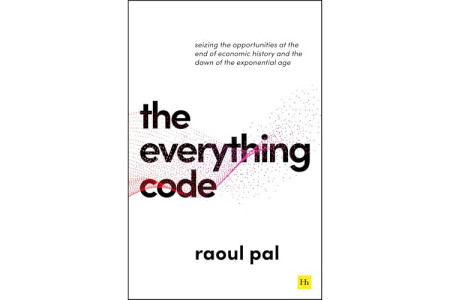
"Nobody connects macro, crypto, and exponential technology quite the way Raoul does." – Peter H. Diamandis, MD, Founder/Chair, XPRIZE, Abundance360, Singularity "This book reads like a long dinner with Raoul." – Micky Malka, Founder and CEO, Ribbit Capital The first book from the globally-renowned investor and founder of Real Vision, as featured onDiary of a CEO. The Everything Code is the result of 30 years of deep thought and analysis by entrepreneur, Raoul Pal that unlocks the secret code to the global economy, financial markets and the trends transforming our society. This book will show you how to thrive in our new Exponential Age so you can secure your future and stay ahead of the curve. Discover why the economic system is broken leading to stagnant wages, rising asset prices and societal inequality. Raoul considers the role of central banks in exacerbating these issues through currency debasement, wealth inequality, and the prioritization of government debt over individual prosperity. This contributes to the growing divide between the rich and the poor, the struggles of younger generations, and the societal consequences of these economic policies. Enter the 'Everything Code:' a groundbreaking framework for understanding predictable economic cycles driven by debt refinancing, explaining how technology and crypto can serve as life rafts in a broken financial system. Packed with actionable insights on how to invest wisely in these transformative times, The Everything Code ensures you can secure your financial future. -- Human-originated and AI-facilitated, this book draws on the author’s archive of speeches, frameworks, and written work using Weave, a secure AI application developed by CHAPTR. Backed by thorough fact-checking and continuous human review to protect creative authority, the text underwent the same rigorous shaping, structuring, and meticulous editing as any Harriman House title - fully adhering to parent publisher Pan Macmillan's AI principles.


- Las cuerdas Slinky de Ernie Ball son las elegidas por leyendas de la música de todo el mundo como Slash, Jimmy Page, Metallica, Eric Clapton y muchos más. - Las preferidas de guitarristas de muchos géneros, el calibre 10-46 de las Regular Slinky se ha convertido en el referente del mundillo. - En paquete Element Shield que garantiza que tus cuerdas estarán igual de nuevas que cuando se fabricaron. - Tono alegre y equilibrado. - Fabricación en California (EE. UU.) con los materiales más recientes y de la mejor calidad.
Color: Regular (10-46) Nombre de estilo: 1 paquete

MÁS DE 10 MILLONES DE DESTROZADORES EN TODO EL MUNDO. Puede que seas un experto destrozador y que hayas devorado uno o varios ejemplares de Destroza este diario. O tal vez esta sea tu primera vez (pst, puede que esta experiencia te cambie la vida). Sea como sea, no busques más, has encontrado el libro perfecto para destrozar. Te presentamos el nuevo Destroza este diario, ¡ahora en una impresionante edición a todo color! Dentro encontrarás retos para pintar, romper, transformar y dar rienda suelta a tu creatividad; una mezcla de tus retos favoritos y otros completamente nuevos. Destroza este diario. Ahora a todo color te invita a destrozar en colores: mezcla pinturas para crear barro, deja que la suerte elija el tono, recorta tiras de papel de brillantes colores, y mucho más. ¿Qué colores usarás para destrozar tu diario?

APRENDE A LEER EN LA ESCUELA DE MONSTRUOS. Con letra mayúscula y texto rimado, ¡aprender a leer está chupado! Más de 1 millón de pequeños lectores. ¡No te pierdas la serie con la que los más pequeños aprenderán a disfrutar de los libros! María y su mascota van juntas a todas partes: ¡incluso a clase! El problema es que la mascota hoy tiene mucha hambre, tanta que empieza a comer y comer... ¡todo lo que hay en la escuela! ¿Cómo conseguirán que vuelva a ser una bolita pequeña y peluda? ¡Se está convirtiendo en la mascota más grandota! La Escuela de Monstruos es la serie más divertida para aprender a leer: - Letra mayúscula - Frases rimadas - Vocabulario sencillo - Ilustraciones a todo color - Protagonistas geniales: ¡una clase de monstruos! Los niños y niñas ganarán confianza para disfrutar de la lectura y practicarán nuevo vocabulario en las actividades de cada libro.

- Las cuerdas Slinky de Ernie Ball son las elegidas por leyendas de la música de todo el mundo como Slash, Jimmy Page, Metallica, Eric Clapton y muchos más. - Las Skinny Top Beefy Bottom Slinky de Ernie Ball combinan la libertad a la hora de tocar más ligera de las Regular Slinky con cuerdas entorchadas gruesas para bajos más corpulentos. - En paquete Element Shield que garantiza que tus cuerdas estarán igual de nuevas que cuando se fabricaron. - Tono alegre y equilibrado. - Fabricación en California (EE. UU.) con los materiales más recientes y de la mejor calidad.
Color: Skinny Top Beefy Bottom (10-54) Nombre de estilo: 1 paquete

- Incluye 4 juegos envueltos transparentes - Las cuerdas Slinky de Ernie Ball son las elegidas por leyendas de la música de todo el mundo como Slash, Jimmy Page, Metallica, Eric Clapton y muchos más - Uno de los calibres originales Slinky, las Super Slinky se han mantenido como una de las cuerdas para guitarra eléctrica mas óptimas durante décadas - Tono alegre y equilibrado - Fabricadas en EE. UU. con los materiales más recientes y de calidad
Color: Super (9-42) Nombre de estilo: 4 paquetes

Juan Ramón Rallo reconstruye y destruye en dos tomos el pensamiento económico de Marx Karl Marx es incuestionablemente uno de los pensadores más influyentes de la historia. Ningún otro autor ha logrado un predicamento similar al suyo en disciplinas tan dispares como la Economía, la Filosofía, la Historiografía, la Sociología o las Ciencias Políticas. Sus ideas han alentado movimientos sociales y políticos de masas que en muchos casos llegaron a tomar el poder y a aplicar un programa revolucionario de inspiración marxista. De entre toda la abundantísima literatura que existe sobre Marx, este libro de Juan Ramón Rallo es único por dos motivos. En primer lugar, no hay otra obra que ofrezca simultáneamente una revisión sobre Marx y a la vez contra Marx tan extensa y detallada. En segundo lugar, no existe hasta el momento una crítica integral a la teoría económica marxista tan meticulosa y ordenada como la que presenta Rallo. El primer tomo está dirigido a presentar el pensamiento marxista, especialmente ―aunque no exclusivamente― en su vertiente económica, de un modo sistemático y aséptico: no se pretende ni distorsionar ni caricaturizar a Marx, sino simplemente explicar, del modo más accesible posible, cuáles fueron sus ideas. Con este fin, Rallo revisa, desmenuza e integra la extensa obra de Marx, desde La crítica a la filosofía del derecho de Hegel a las Glosas marginales a Adolf Wagner, pasando por Los Manuscritos económico-filosóficos de 1844, La ideología alemana, La miseria de la filosofía, los Grundrisse, las Teorías sobre la plusvalía, sus artículos en prensa, sus manifiestos políticos, su correspondencia personal y, por supuesto, los tres monumentales volúmenes de El Capital. A través del análisis conjunto de toda esta literatura, auxiliada por el estudio de la obra de Engels y de otros destacados intelectuales marxistas, Rallo consigue exponer de un modo coherente las teorías de Marx sobre el valor, el dinero, el capital, la explotación, los precios, los salarios, las ganancias, las clases sociales, el crecimiento económico, las crisis económicas y el advenimiento del comunismo. En el segundo tomo Rallo hace una crítica exhaustiva y rigurosa del pensamiento marxista: su objetivo es detallar y demostrar todos los errores que cometió Marx al describir la estructura y el funcionamiento del capitalismo para, al mismo tiempo, exponer cuáles son las auténticas anatomía y dinámica de la sociedad moderna. En suma, se pretende rescatar al capitalismo de la crítica marxista a través de la crítica a Marx: una crítica a la crítica. Con este fin, Rallo desmonta paciente y escalonadamente los pilares que sostienen el edificio intelectual del marxismo. En primer lugar, las mercancías son intercambiables por ser bienes económicos que satisfacen necesidades humanas y se intercambian en función de la importancia relativa de las necesidades que permiten satisfacer. En segundo lugar, valor de uso y valor no son facetas contradictorias de la mercancía, sino facetas que se complementan y potencian mutuamente: el valor no anula al valor de uso, sino que contribuye a multiplicarlo y a desarrollarlo. En tercer lugar, el capitalista no es capitalista por explotar la fuerza de trabajo del obrero, sino por suministrar tiempo, protección e información dentro del proceso de producción, elevando así la productividad social y, por tanto, elevando el bienestar de todos (incluido el del obrero). En cuarto lugar, la circulación del capital no profundiza la separación entre el obrero y los medios de producción, sino que posibilita la capitalización histórica del obrero. En quinto lugar, los precios de producción de las mercancías no guardan ninguna conexión necesaria con sus valores-trabajo sino con sus utilidades marginales para los compradores. En sexto lugar, las clases sociales no están predeterminadas por la posición de cada individuo respecto al control social de los medios de producción, sino que la estructura de control de los medios de producción depende de las funciones económicas que cada individuo desempeñe a través o al margen de esos medios de producción. En séptimo lugar, no hay ninguna tendencia a que la tasa general de ganancia decrezca a largo plazo o, al menos, no por las razones que expone Marx. Y, por último, el comunismo no es una inevitabilidad histórica y su promesa de liberación de la humanidad supondría, en realidad, la supresión de la libertad individual. En su Anti-Marx, Juan Ramón Rallo aborda la titánica tarea de reconstruir y destruir a la vez el pensamiento económico de Marx. Se trata de la más ambiciosa crítica al marxismo escrita hasta la fecha.

Del autor del que ha sido calificado de uno de los mejores libros sobre inversión, entre los más vendidos en la lista de The New York Times, llega El inversor conductual, una mirada práctica a cómo la psicología debería servir de guía para el arte y la ciencia de la gestión de inversiones. En El inversor conductual, el psicólogo y gestor de activos Daniel Crosby analiza los factores sociológicos, neurológicos y psicológicos que influyen en nuestras decisiones de inversión y expone soluciones prácticas para mejorar tanto la rentabilidad como el comportamiento. Los lectores podrán conocer el análisis más exhaustivo de la conducta de los inversores realizado hasta la fecha, del que obtendrán soluciones concretas para perfeccionar los procesos de toma de decisiones, aumentar la autoconciencia y limitar los errores fatales a los que son propensos la mayoría de los inversores. El inversor conductual hace un amplio recorrido por la naturaleza humana antes de llegar a los aspectos concretos de la construcción de carteras, radicado en la creencia de que solo cuando entendemos profundamente el “por qué” podemos tener alguna pista sobre el “cómo” debemos invertir.
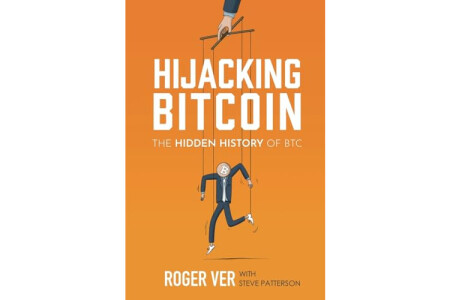
Bitcoin was promised to be a liberating technology, a free market alternative to state-controlled money. But that promise was broken after a small group of insiders took over the project and fundamentally changed Bitcoin's design. Few people know the true history of Bitcoin and its original design due to years of heavy censorship, social media engineering, and tight information controls online. Hijacking Bitcoin destroys the most popular narratives that surround Bitcoin and sets the historical record straight. Roger Ver's passion and pain come through as he tells the story of a beloved project corrupted in front of his eyes. Written by one of the most prominent figures in the cryptocurrency industry, this book is impossible to ignore. From the inside flap: Bitcoin has been captured and changed for the worse. That's the undeniable conclusion of Hijacking Bitcoin. Chocked full of history and inconvenient truths, this book goes on a myth-busting rampage against the most popular narratives that surround BTC. Is Bitcoin truly decentralized? Is it supposed to be digital gold or digital cash? Did the original design really have scaling problems? Roger Ver addresses these questions head-on and provides uncomfortable answers. Roger Ver is the world's first investor in Bitcoin startups and has been a prominent name in the cryptocurrency industry since the beginning. Yet, as he confesses in the introduction, this book is not a love story. It's a devastating exposé of the corruption, propaganda, and centralization of power in Bitcoin.

Primer volumen de la serie Mundodisco de Terry Pratchett. En un mundo plano sostenido por cuatro elefantes impasibles -que se apoyan en la espalda de una tortuga gigante- habitan los estrafalarios personajes de esta novela: un hechicero avaro y torpe, un turista ingenuo cuyo fiero equipaje le sigue a todas partes sostenido por cientos de patitas, dragones que solo existen si se cree en ellos, gremios de ladrones y asesinos, espadas mágicas, la Muerte y, por supuesto, un extenso catálogo de magos y demonios... En esta serie de novelas se dan cita todos los temas y situaciones del género fantástico, vistos a través del personalísimo y corrosivo sentido de la comicidad de un autor inglés que se ha convertido en uno de los escritores de humor de mayor éxito y fama en el mundo. La crítica ha dicho... «Un consejo. Id a vuestra librería de confianza, pedid un libro de Terry Pratchett y abríos una nueva puerta que os llevará a un mundo de carcajadas, de ironía, de frases lapidarias, de intrigas y de amores. ¡Bienvenidos al Mundodisco!» El País «Brillante, ingenioso e hilarante.» Washington Post

- Incluye 3 juegos envueltos individualmente. - Los Ernie Ball Slinkys son interpretados por leyendas de todo el mundo, incluidos Slash, Jimmy Page, Metallica, Eric Clapton y más. - Los materiales y la artesanía de primera calidad garantizan cuerdas de guitarra fiables y duraderas, perfectas tanto para profesionales como para principiantes. - Durante décadas, los Slinkys han proporcionado a los instrumentistas un tono y una consistencia excepcionales en todo el diapasón. - Extra Slinky aporta una tensión extra ligera para tocar rápida y fácilmente en todo el diapasón.
Color: Extra (8-38) Nombre de estilo: 3 paquetes

There are products from different external stores in your basket, so a wish for each external store will be created.
Note: You will be able to configure each wish individually before publishing it.

 Spanish
(Español)
Spanish
(Español)
 German
(Deutsche)
German
(Deutsche)
 French
(Français)
French
(Français)
 Italian
(Italiano)
Italian
(Italiano)
 Portuguese
(Portugues)
Portuguese
(Portugues)

