


- 1. Alta calidad: hecho de excelente tecnología y materiales de polipropileno, duradero y fuerte. - 2. Características del diseño: diseño ergonómico, mantiene tu mano en una posición de escritura más natural y cómoda. - 3. Fácil de reemplazar: puede reemplazar tus patas de teclado dañadas, defectuosas, no funcionan. - 4. Aplicación: apto para teclado Logitech MK520 K520. - 5. Paquete: 4 patas para teclado.
Tamaño: MK520 K520

- 1. Alta calidad: hecho de excelente tecnología y materiales de polipropileno, duradero y fuerte. - 2. Características del diseño: diseño ergonómico, mantiene tu mano en una posición de escritura más natural y cómoda. - 3. Fácil de reemplazar: puede reemplazar tus patas de teclado dañadas, defectuosas, no funcionan. - 4. Aplicación: apto para teclado Logitech MK360 MK360 K360. - 5. Paquete: 4 patas para teclado.
Tamaño: MK360 MK365 K360

- 1. Alta calidad: hecho de excelente tecnología y materiales de polipropileno, duradero y fuerte. - 2. Características del diseño: diseño ergonómico, mantiene tu mano en una posición de escritura más natural y cómoda. - 3. Fácil de reemplazar: puede reemplazar tus patas de teclado dañadas, defectuosas, no funcionan. - 4. Aplicación: apto para teclado Logitech MK220 K220 K230. - 5. Paquete: 4 patas para teclado.
Tamaño: MK220 K220 K230


The World’s Most Influential Book on Personal Success The bestselling classic that made Systems Over Goals, Talent Stacking, and Passion Is Overrated universal success advice has been reborn. Once in a generation, a book revolutionizes its category and becomes the preeminent reference that all subsequent books on the topic must pay homage to, in name or in spirit. How to Fail at Almost Everything and Still Win Big by Scott Adams, creator of Dilbert, is such a book for the field of personal success. A contrarian pundit and persuasion expert in a class of his own, Adams has reached hundreds of millions directly and indirectly through the 2013 first edition’s straightforward yet counterintuitive advice—to invite failure in, embrace it, then pick its pocket. The second edition of How to Fail is a tighter, updated version, by popular demand. Yet new and returning readers alike will find the same candor, humor, and timeless wisdom on productivity, career growth, health and fitness, and entrepreneurial success as the original classic. How to Fail at Almost Everything and Still Win Big, Second Edition is the essential read (or re-read) for anyone who wants to find a unique path to personal victory—and make luck find you in whatever you do.

DESCRIPCIÓN DEL PRODUCTO Las cuerdas para guitarra eléctrica Power Slinky de Ernie Ball son la opción ideal para aquellos a los que les gusten ritmos robustos para rock and roll y blues. Las Power Slinky llevan tiempo siendo las elegidas por Slash, Metallica y Kenny Wayne Shepherd gracias a la combinación de calibres más gruesos que producen un tono ligeramente más potente. Estas cuerdas para guitarra eléctrica cuentan con una fabricación de precisión con los estándares de calidad más rigurosos y las especificaciones más exactas para garantizar un rendimiento óptimo constante y una larga vida útil. Las cuerdas entorchadas Power Slinky están hechas de alambre de acero chapado en níquel que envuelve un núcleo central de acero de forma hexagonal. Las cuerdas lisas están hechas de un acero con alto contenido en carbono y chapado en estaño templado de forma especial para producir un tono alegre y bien equilibrado para tu guitarra. Calibres de las Power Slinky: .011 .014 .018p .028 .038 .048. AVISO LEGAL Consulta la legislación vigente antes de adquirir este producto.
Color: Power (11-48) Nombre de estilo: 1 paquete

- Las cuerdas Slinky de Ernie Ball son las elegidas por leyendas de la música de todo el mundo como Slash, Jimmy Page, Metallica, Eric Clapton y muchos más - El calibre 10-48 de las Ultra Slinky combina las cuerdas altas de nuestro famosísimo juego Regular Slinky y las cuerdas bajas del juego Power Slinky, ligeramente más gruesas - En paquete Element Shield que garantiza que tus cuerdas estarán igual deque cuando se fabricaron - Tono alegre y equilibrado - Fabricación en California (EE; uU.) con los materiales más recientes y de la óptima calidad
Color: Ultra (10-48) Nombre de estilo: 1 paquete

- Las cuerdas Slinky de Ernie Ball son las elegidas por leyendas de la música de todo el mundo como Slash, Jimmy Page, Metallica, Eric Clapton y muchos más. - Las Skinny Top Beefy Bottom Slinky de Ernie Ball combinan la libertad a la hora de tocar más ligera de las Regular Slinky con cuerdas entorchadas gruesas para bajos más corpulentos. - En paquete Element Shield que garantiza que tus cuerdas estarán igual de nuevas que cuando se fabricaron. - Tono alegre y equilibrado. - Fabricación en California (EE. UU.) con los materiales más recientes y de la mejor calidad.
Color: Skinny Top Beefy Bottom (10-54) Nombre de estilo: 1 paquete

- Incluye 3 juegos envueltos individualmente. - Los Ernie Ball Slinkys son interpretados por leyendas de todo el mundo, incluidos Slash, Jimmy Page, Metallica, Eric Clapton y más. - Los materiales y la artesanía de primera calidad garantizan cuerdas de guitarra fiables y duraderas, perfectas tanto para profesionales como para principiantes. - Durante décadas, los Slinkys han proporcionado a los instrumentistas un tono y una consistencia excepcionales en todo el diapasón. - Extra Slinky aporta una tensión extra ligera para tocar rápida y fácilmente en todo el diapasón.
Color: Extra (8-38) Nombre de estilo: 3 paquetes

Peopled by larger-than-life heroes and villains, charged with towering questions of good and evil, Atlas Shrugged is Ayn Rand’s magnum opus: a philosophical revolution told in the form of an action thriller—nominated as one of America’s best-loved novels by PBS’s The Great American Read. Who is John Galt? When he says that he will stop the motor of the world, is he a destroyer or a liberator? Why does he have to fight his battles not against his enemies but against those who need him most? Why does he fight his hardest battle against the woman he loves? You will know the answer to these questions when you discover the reason behind the baffling events that play havoc with the lives of the amazing men and women in this book. You will discover why a productive genius becomes a worthless playboy...why a great steel industrialist is working for his own destruction...why a composer gives up his career on the night of his triumph...why a beautiful woman who runs a transcontinental railroad falls in love with the man she has sworn to kill. Atlas Shrugged, a modern classic and Rand’s most extensive statement of Objectivism—her groundbreaking philosophy—offers the reader the spectacle of human greatness, depicted with all the poetry and power of one of the twentieth century’s leading artists.
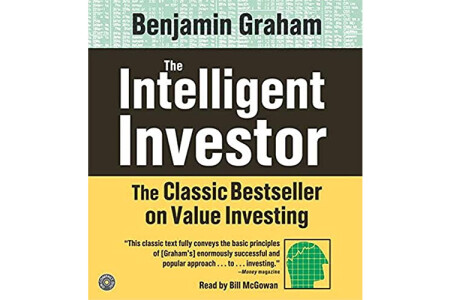
The greatest investment advisor of the twentieth century, Benjamin Graham taught and inspired people worldwide. Graham's philosophy of “value investing”—which shields investors from substantial error and teaches them to develop long-term strategies—has made The Intelligent Investor the stock market bible ever since its original publication in 1949. Over the years, market developments have proven the wisdom of Graham’s strategies. While preserving the integrity of Graham’s original text, this revised edition includes updated commentary by noted financial journalist Jason Zweig, whose perspective incorporates the realities of today’s market, draws parallels between Graham’s examples and today’s financial headlines, and gives readers a more thorough understanding of how to apply Graham’s principles. Vital and indispensable, The Intelligent Investor is the most important book you will ever read on how to reach your financial goals.

This is the classic exposé of the Fed that has become one of the best-selling books in its category of all time. Where does money come from? Where does it go? Who makes it? The money magician's secrets are unveiled. Here is a close look at their mirrors and smoke machines, the pulleys, cogs, and wheels that create the grand illusion called money. A boring subject? Just wait. You'll be hooked in five minutes. It reads like a detective story - which it really is, but it's all true. This book is about the most blatant scam of history. It's all here: the cause of wars, boom-bust cycles, inflation, depression, prosperity. Your world view will definitely change. Putting it quite simply, this may be the most important book on world affairs you will ever read. The 5th Edition includes a no-holds barred analysis of bank bailouts that are shown to be nothing less than legalized plunder of the people. Many other updates have been added, including a revision to the list of those who attended the historic meeting at Jekyll Island where the Federal Reserve was created.

"The Internet of Money Volume Two: a collection of talks" is the spectacular sequel to the cult classic and best seller "The Internet of Money Volume One: a collection of talks" by Andreas M. Antonopoulos. Volume Two contains 11 more of his most inspiring and thought-provoking talks, including: Introduction to Bitcoin; Blockchain vs Bullshit; Fake News, Fake Money; Currency Wars; Bubble Boy and the Sewer Rat; Rocket Science and Ethereum's Killer App; and many more. Volume Two also includes an all-new frequently asked questions section!In 2013, Andreas M. Antonopoulos started publicly speaking about bitcoin and quickly became one of the world's most sought-after speakers in the industry. To date, he has delivered more than 75, TED-style talks in venues ranging from the Henry Ford Museum in the United States to packed-out Bitcoin Meetups around the world including Brazil, the Czech Republic, and New Zealand, and every talk is completely different.In these performances, Antonopoulos walks onto the stage and delivers a live, unscripted talk. Without a deck in sight, he unleashes his latest insights into the lightning-fast changes surrounding bitcoin. Combining the knowledge of one of the world's leading blockchain technologists, with cultural context, comedy, and the flair of a performance artist, Antonopoulos conveys an up-to-the-second understanding of bitcoin to live audiences worldwide.Many of these talks were so visionary, their content so educational, that they were curated and refined into a book form. On 7 September 2016, The Internet of Money Volume One was launched on The Joe Rogan Experience podcast (the interview has since been viewed more than 300,000 times). With its genesis in the lived, human experience, The Internet of Moneyoffered something that was desperately needed: an explanation of the philosophy, economics, politics, poetics, and technologies of bitcoin and open blockchains set within a broad historical context and using clear, simple language that delighted general audiences and bitcoin enthusiasts alike. During its first year, Volume One quickly became a hit in the global crypto-currency community-appealing to audiences from fields as diverse as the arts, sciences, and humanities. As one reader wrote: "It provides a uniquely accessible take on a mind-bendingly abstract system." The Internet of Money Volume Two: a collection of talks builds on that momentum and offers readers an opportunity to experience more these inspiring and thought-provoking talks in print. It also includes a bonus question and answer section, where Andreas answers some of the most frequently asked questions from audience members during his worldwide tour. Volume Two is a sequel that rivals, even exceeds, the first, in content, scope, and vision. These talks are intellectual fire-starters you won't want to miss. Make this book part of your collection and see why Andreas M. Antonopoulos is considered the most powerful and engaging voice in crypto-currency and blockchain.

There are products from different external stores in your basket, so a wish for each external store will be created.
Note: You will be able to configure each wish individually before publishing it.

 Spanish
(Español)
Spanish
(Español)
 German
(Deutsche)
German
(Deutsche)
 French
(Français)
French
(Français)
 Italian
(Italiano)
Italian
(Italiano)
 Portuguese
(Portugues)
Portuguese
(Portugues)

