

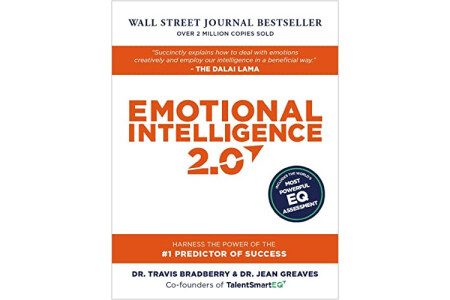
The #1 Best-Selling EQ Book — Over 3 Million Copies Sold Times change. Emotions don't. In a noisy world full of quick fixes, one skill remains your strongest edge: emotional intelligence (EQ). Emotional Intelligence 2.0 has set the standard — not just as a bestseller, but as the foundational guide trusted by millions to unlock their potential and achieve lasting success — at work and in life. Backed by research and trusted by Fortune 500 companies, Emotional Intelligence 2.0 has helped millions build the skills that matter most. Why? Because 90% of top performers have high EQ, and EQ is the single biggest predictor of performance. Fully updated in 2021, this edition reflects the latest research in emotional intelligence and real-world strategies for success. This book provides a proven, practical approach to increasing EQ using 66 time-tested strategies across the four core EQ skills: 1. Self-Awareness 2. Self-Management 3. Social Awareness 4. Relationship Management Includes the #1 EQ Assessment Tool Each copy includes a unique passcode to access the Emotional Intelligence Appraisal®: * Scientifically validated, taken by over 3 million people * Provides your EQ scores across the four core skills and guidance on which chapters to focus on for targeted improvement * Includes an online development plan and video-based lessons to extend the learning * A free retest to measure your progress What Readers and Leaders Are Saying: "Succinctly explains how to deal with emotions creatively and employ our intelligence in a beneficial way." —The Dalai Lama "This book can drastically change the way you think about success…read it twice." —Patrick Lencioni, author, The Five Dysfunctions of a Team "Gives abundant, practical findings and insights with emphasis on how to develop EQ." —Stephen R. Covey, author, The 7 Habits of Highly Effective People
The foundational and wildly popular go-to resource for influence and persuasion—a renowned international bestseller, with over 5 million copies sold—now revised adding: new research, new insights, new examples, and online applications. In the new edition of this highly acclaimed New York Times bestseller, Robert Cialdini—the seminal expert in the fields of influence and persuasion—explains the psychology of why people say yes and how to apply these insights ethically in business and everyday settings. Using memorable stories and relatable examples, Robert Cialdini makes this crucially important subject surprisingly easy. With Cialdini as a guide, you don’t have to be a scientist to learn how to use this science. You’ll learn Cialdini’s Universal Principles of Influence, including new research and new uses so you can become an even more skilled persuader—and just as importantly, you’ll learn how to defend yourself against unethical influence attempts. You may think you know these principles, but without understanding their intricacies, you may be ceding their power to someone else. Cialdini’s Principles of Persuasion: * Reciprocation * Commitment and Consistency * Social Proof * Liking * Authority * Scarcity * Unity, the newest principle for this edition Understanding and applying the principles ethically is cost-free and deceptively easy. Backed by Dr. Cialdini’s 35 years of evidence-based, peer-reviewed scientific research—including a three-year field study on what leads people to change—Influence is a comprehensive guide to using these principles to move others in your direction.
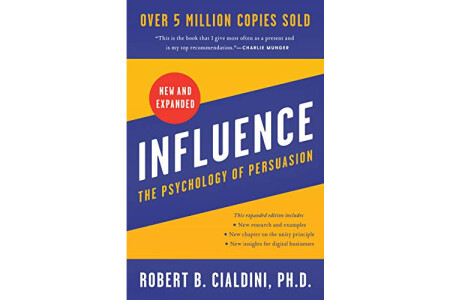
The foundational and wildly popular go-to resource for the science of influence and persuasion―a renowned international bestseller, with over 5 million copies sold―now revised adding: new research, new insights, new examples, and online applications. In the new edition of this highly acclaimed bestseller, Robert Cialdini―New York Times bestselling author of Pre-Suasion and the seminal expert in the fields of influence and persuasion―explains the psychology of why people say yes and how to apply these insights on human behavior ethically in business and everyday settings. Using memorable stories and relatable examples, Cialdini makes this crucial aspect of behavioral science surprisingly easy to understand. With Cialdini as a guide, you don’t have to be a scientist to learn how to use this science in your own decision-making. You’ll learn Cialdini’s Universal Principles of Influence, including new research and new uses so you can become an even more skilled persuader―and just as importantly, you’ll learn how to defend yourself against unethical influence attempts. You may think you know these principles of social psychology, but without understanding their intricacies, you may be ceding their power to someone else. Cialdini’s Principles of Persuasion: * Reciprocation * Commitment and Consistency * Social Proof * Liking * Authority * Scarcity * Unity, the newest principle for this edition Understanding and applying the principles ethically is cost-free and deceptively easy. Backed by Dr. Cialdini’s 35 years of evidence-based, peer-reviewed scientific research―including a three-year field study on what leads people to change―Influence, New and Expanded EPB is a comprehensive guide to using these principles to move others in your direction.
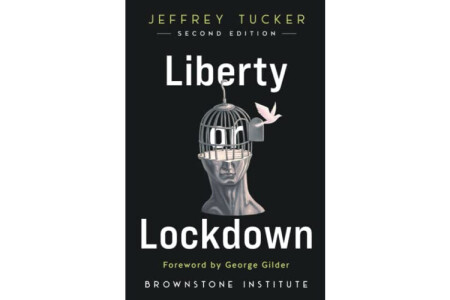
The second edition of this book appears two years after the first. I deliberately left the body of the book unchanged other than add a new introduction. if only to underscore the point: there were plenty of warnings! The significance of the timing of the first edition book is obvious to anyone who has lived through our strange times: September 2020. That was six months following the lockdown of most of the world during which places where people might “congregate” were shut by governments. The reason was to avoid, mitigate, eliminate maybe, or otherwise diminish the disease impact of the virus that caused Covid. This was before the vaccine came out, before the Great Barrington Declaration, and before data on excess deaths the world over showed vast carnage from these policy decisions. The second edition appears two years later. The topic put me to work trying to understand the thinking, a process which took me back through the history of pandemics, the relationship between infectious disease and freedom, and the origin of lockdown ideology in 2005. The times during which it was written were beyond strange. People went full medieval in every way in which that term can be understood. There was public flogging in the form of masking and the abolition of fun, feudalistic segregation and disease shaming, the practical end of most medical care unless it was for Covid, the scapegoating of non-compliers, and a turn to other pre-modern forms. All of this became worse once the non-sterilizing vaccines appeared on the market that many if not most people were forced to accept or lose their jobs. Writing now September 2022, I cannot even imagine going through the pain of putting this research together again. I’m very pleased it was done then because now this book survives as a marker that there was dissent, if nothing else. This was a period of time – still is today – when vast numbers of people feel betrayed by technology, media, politicians, and even their one-time intellectual heroes. It is a time of grave destruction with still-broken supply chains, roaring inflation, mass cultural demoralization, labor market confusions, and terrible uncertainty about the future. Let us hope, too, that it is a period of rebuilding, however quietly it is taking place. Starting the Brownstone Institute is part of that for me. So many others have joined. Today we published articles from all over the world since so many around the world have shared in this suffering. ~ Jeffrey Tucker, September 2022
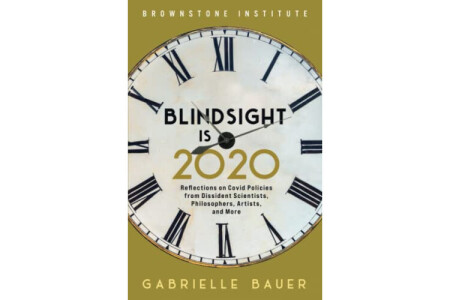
“An elegant and beautiful writer.” ~ Julie Ponesse, Ethics Scholar, The Democracy Fund "Funny, brilliant, and personal perspectives." ~ Jennifer Grossman, CEO, The Atlas Society "A wonderful summary of complex ideas with a beautiful personal tone." Zubin Damania, MD, host of the Internet's #1 medical news and entertainment show Did the Covid-19 lockdowns and mandates serve society’s best interests? Science alone can’t answer the question. Philosophers have important things to say about it. So do psychologists, economists, novelists, and lawyers. The 46 thinkers showcased in this elegant book by Gabrielle Bauer, drawn from a variety of disciplines and political persuasions, agree on one thing: the policies crossed the line and the world lost its way. Some are internationally famous, others merely brilliant. Together, they hone in on the social and ethical breaches of the Covid era, such as emotional manipulation, disregard for civil liberties, and a stubborn refusal to consider the harms of freezing society. The author also recounts her own efforts to make sense of the Covid landscape, from Zoom psychotherapy to a visit to lockdown-free Sweden. The book challenges us to survey the damage of the Covid-19 policies from diverse angles, its voices offering fresh perspectives on the greatest social upheaval in modern history. “Really nicely written.” ~ David Bell, Executive Committee, PANDATA, former coordinator of the WHO’s malaria diagnostics strategy “Honored to be included in this book.” ~ Aaron Kheriaty, Director, Program in Bioethics and American Democracy, Ethics and Public Policy Center “A compelling blend of down-to-earth storytelling and journalistic chops, and a perfect launching point for reflecting on the fallout of the pandemic response. Bauer collects the voices of a wide range of insightful people who should have been part of the conversation about how to manage Covid.” ~ Yvon Wang, associate professor of history, University of Toronto “A well-written account exploring important questions about the pandemic.” ~ Zeb Jamrozik, bioethicist, Monash Bioethics Centre & University of Oxford "Many of the people featured in this book have had their views and values caricatured in media coverage of Covid policy. Gabrielle Bauer captures them with respect, accuracy and nuance as a basis for properly informed debate." ~ Robert Dingwall, Emeritus Professor of Sociology, Nottingham University “I especially empathized with the author's feelings during the anti-lockdown demonstrations.” ~ Ehud Qimron, Professor, Clinical Microbiology and Immunology, Tel Aviv University “A superb read.” ~ Sanjeev Sabhlok, economist, Executive Director, India Policy Institute “Flattered and honored to be part of the book.” ~ Lucy McBride, internist and mental health advocate, Washington, DC
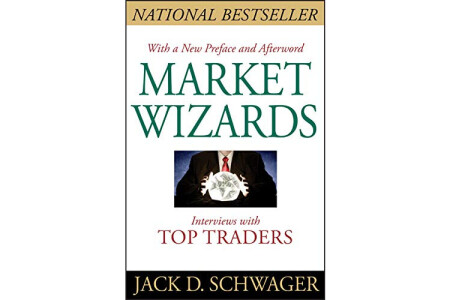
The world's top trader's reveal the secrets of their phenomenal success! How do the world's most successful traders amass tens, hundreds of millions of dollars a year? Are they masters of an occult knowledge, lucky winners in a random market lottery, natural-born virtuosi―Mozarts of the markets? In search of an answer, bestselling author Jack D. Schwager interviewed dozens of top traders across most financial markets. While their responses differed in the details, all of them could be boiled down to the same essential formula: solid methodology + proper mental attitude = trading success. In Market Wizards Schwager lets you hear, in their own words, what those super-traders had to say about their unprecedented successes, and he distils their responses down into a set of guiding principles you can use to become a trading star in your own right. * Features interviews with superstar money-makers including Bruce Kovner, Richard Dennis, Paul Tudor Jones, Michel Steinhardt, Ed Seykota, Marty Schwartz, Tom Baldwin, and more * Tells the true stories behind sensational trading coups, including the one about the trader who turned $30,000 into $80 million, the hedge fund manager who's averaged 30% returns every year for the past twenty-one years, and the T-bond futures trader who parlayed $25,000 into $2 billion in a single day! "Market Wizards is one of the most fascinating books ever written about Wall Street. A few of the 'Wizards' are my friends―and Jack Schwager has nailed their modus operandi on the head." --Martin W. Zweig, Ph.D., Editor, The Zweig Forecast
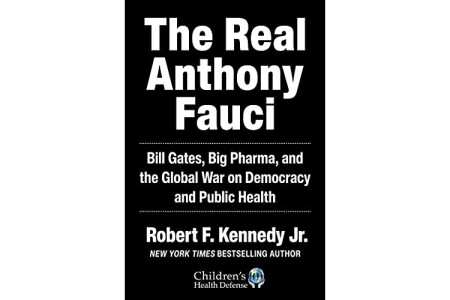
#7 New York Times Bestseller #1 Wall Street Journal Bestseller #1 Amazon Charts Bestseller #1 USA Today Bestseller #1 Publisher's Weekly Bestseller 20 Weeks on the New York Times Bestseller List 19 Weeks on the Publisher's Weekly Bestseller List 20 Weeks on the Amazon bestseller list 22 Weeks on the USA Today Bestseller List 20 Weeks on the Wall Street Journal Bestseller List Over 1.4 million copies sold despite censorship, boycotts from bookstores and libraries, and hit pieces against the author. Pharma-funded mainstream media has convinced millions of Americans that Dr. Anthony Fauci is a hero. Hands down, he is anything but. As director of the National Institute of Allergy and Infectious Diseases (NIAID), Dr. Anthony Fauci dispenses $6.1 billion in annual taxpayer-provided funding for rigged scientific research, allowing him to dictate the subject, content, and outcome of scientific health research across the globe—truly a dark agenda. Fauci uses the financial clout at his disposal in a back handed manner to wield extraordinary influence over hospitals, universities, journals, and thousands of influential doctors and scientists—whose careers and institutions he has the power to ruin, advance, or reward in an authoritarian manner. During more than a year of painstaking and meticulous research on his laptop and through interviews, Robert F. Kennedy Jr. unearthed a shocking story that obliterates media spin on Dr. Fauci . . . and that will alarm every American—Democrat or Republican—who cares about democracy, our Constitution, and the future of our children’s health. The Real Anthony Fauci reveals how “America’s Doctor” launched his career during the early AIDS crisis by partnering with pharmaceutical companies to sabotage safe and effective off-patent therapeutic treatments for AIDS. Fauci orchestrated fraudulent do-nothing studies, and then pressured US Food and Drug Administration (FDA) regulators into approving a deadly chemotherapy treatment he had good reason to know was worthless against AIDS. Fauci did the unthinkable and repeatedly violated federal laws to allow his Pharma partners to use impoverished and dark-skinned children as lab rats in beyond order, deadly experiments with toxic AIDS and cancer chemotherapies. In early 2000, Fauci shook hands with Bill Gates in the library of Gates’ $147 million Seattle mansion, cementing a partnership that would aim to control an increasingly profitable $60 billion global vaccine enterprise with unlimited growth potential. Through funding leverage and carefully cultivated personal relationships with heads of state and leading media and social media institutions, the Pharma-Fauci-Gates alliance exercises dominion over global health policy and our beautiful country. This is not just another political book. The Real Anthony Fauci details how Fauci, Gates, and their cohorts use their control of media outlets—both conservative and liberal leaning, scientific journals, key government and quasi-governmental agencies, global intelligence agencies, and influential scientists and physicians to flood the public with fearful propaganda about COVID-19 virulence and pathogenesis, and to muzzle debate and ruthlessly censor dissent.
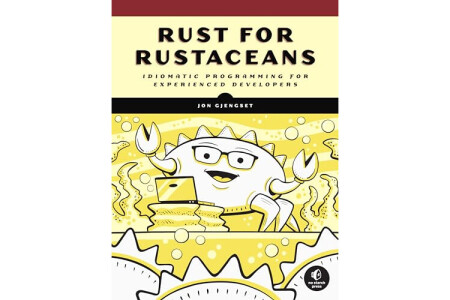
Master professional-level coding in Rust. For developers who’ve mastered the basics, this book is the next step on your way to professional-level programming in Rust. It covers everything you need to build and maintain larger code bases, write powerful and flexible applications and libraries, and confidently expand the scope and complexity of your projects. Author Jon Gjengset takes you deep into the Rust programming language, dissecting core topics like ownership, traits, concurrency, and unsafe code. You’ll explore key concepts like type layout and trait coherence, delve into the inner workings of concurrent programming and asynchrony with async/await, and take a tour of the world of no_std programming. Gjengset also provides expert guidance on API design, testing strategies, and error handling, and will help develop your understanding of foreign function interfaces, object safety, procedural macros, and much more. You'll Learn: * How to design reliable, idiomatic, and ergonomic Rust programs based on best principles * Effective use of declarative and procedural macros, and the difference between them * How asynchrony works in Rust – all the way from the Pin and Waker types used in manual implementations of Futures, to how async/await saves you from thinking about most of those words * What it means for code to be unsafe, and best practices for writing and interacting with unsafe functions and traits * How to organize and configure more complex Rust projects so that they integrate nicely with the rest of the ecosystem * How to write Rust code that can interoperate with non-Rust libraries and systems, or run in constrained and embedded environments Brimming with practical, pragmatic insights that you can immediately apply, Rust for Rustaceans helps you do more with Rust, while also teaching you its underlying mechanisms.
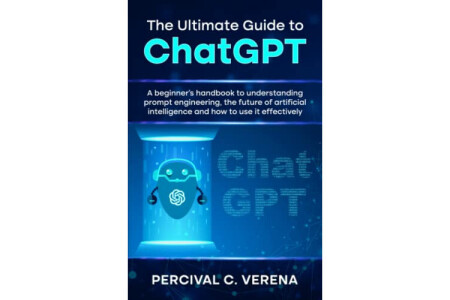
Are you ready to take your productivity to new heights with the power of artificial intelligence? Look no further than "The Ultimate Guide to ChatGPT" by Percival C. Verena! In this comprehensive guide, you'll gain a deep understanding of prompt engineering and how to leverage the cutting-edge language model ChatGPT, developed by OpenAI, to unleash your full potential. You'll learn how to use ChatGPT to boost your creativity, solve complex problems, and supercharge your workflow. With easy-to-follow explanations and practical examples, "The Ultimate Guide to ChatGPT" is perfect for anyone, whether you're a student, researcher, or professional. Here are just a few of the amazing benefits you'll get from this must-have handbook: * Discover the Secrets of Prompt Engineering: You'll gain a deep understanding of the foundations of prompt engineering and learn how it is shaping the future of AI. * Learn How to Craft Effective Prompts: You'll master the art of creating prompts that yield the best results, allowing you to unleash the full power of ChatGPT. * Optimize Your Workflow: You'll learn how to integrate ChatGPT into your workflow and make the most of your AI-powered tools to streamline your work processes. * Avoid Common Pitfalls: You'll get expert advice on how to avoid common mistakes when working with ChatGPT and ensure that you get the most out of this powerful tool. * Take Your AI Skills to the Next Level: You'll learn how to unlock the full potential of AI and apply your skills to any field, giving you a competitive edge in today's fast-paced world. Don't miss out on this opportunity to become an AI master. "The Ultimate Guide to ChatGPT" is the ultimate resource for anyone looking to harness the power of artificial intelligence to improve their productivity and achieve their goals. CLICK THE "ADD TO CART" BUTTON TO GET YOUR COPY OF "THE ULTIMATE GUIDE TO CHATGPT" TODAY AND START UNLOCKING THE FULL POTENTIAL OF AI!
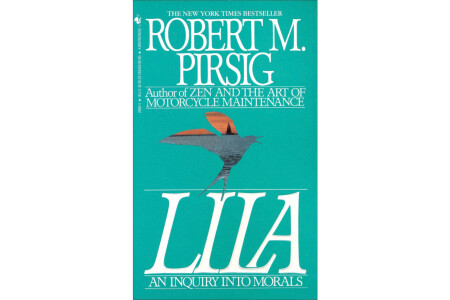
The author of Zen and the Art of Motorcycle Maintenance examines life's essential issues as he recounts the journey down the Hudson River in a sailboat of his philosopher-narrator Phaedrus.

Béla Bartók wrote the first four volumes of the Mikrokosmos as a series of beginning piano exercises for his son Péter. The great Hungarian composer's complete six-volume collection represents one of the most comprehensive anthologies of contemporary technique ever assembled. This edition, consisting of the first two volumes, presents more than 100 pieces of study material suitable for first- and second-year students. In a 1945 radio interview, Bartók explained, "The Mikrokosmos is a cycle of 153 pieces for piano, written with a didactic purpose. That is, to give piano pieces which can be used from the very beginning and then going on. It is graded according to difficulties. And the word Mikrokosmos may be interpreted as a series of pieces in many different styles, representing a small world. Or it may be interpreted as 'world of the little ones, the children.'" This volume constitutes the definitive edition of Bartók's tutorials, drawing upon all known manuscripts and the printed originals for a corrected version approved by the composer's son and the first student to benefit from these exercises.
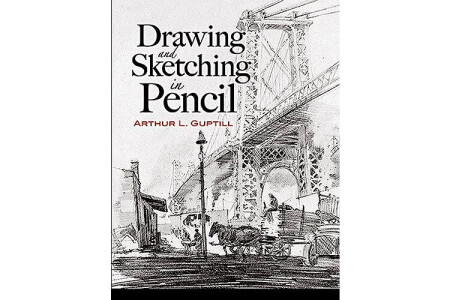
This classic guide offers clear, concise instruction in the basics as well as the finer points of pencil drawing. Appropriate for beginning and intermediate students, it features sixty-six well-chosen illustrations that encompass a wide range of subjects — mainly architectural, but also people, animals, and landscapes — and demonstrate a tremendous variety of techniques. An architect, painter, art director, and teacher, Arthur L. Guptill wrote several popular books on drawing. He begins this two-part treatment, aimed at architects, artists, and students, with discussions of drawing objects in outline and in light and shade, the principles of freehand perspective, methods of cast and life drawing, and sketching animals. The second part examines the choice of subjects and drawing in outline and in flat and graded tones. The important subject of composition receives considerable attention, with particular focus on unity and balance. Additional topics include working from photographs and from nature, the representation of buildings — including exteriors, interiors, and street scenes — and portraying details and accessories, from furniture, draperies, doors, and windows to clouds, water, and trees.

There are products from different external stores in your basket, so a wish for each external store will be created.
Note: You will be able to configure each wish individually before publishing it.

 Spanish
(Español)
Spanish
(Español)
 German
(Deutsche)
German
(Deutsche)
 French
(Français)
French
(Français)
 Italian
(Italiano)
Italian
(Italiano)
 Portuguese
(Portugues)
Portuguese
(Portugues)

