

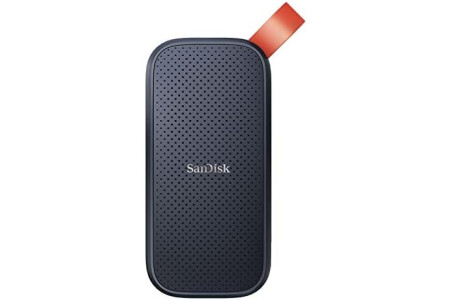
- From SanDisk, a brand professional photographers trust to take on assignments - Secure it to your belt loop or backpack for extra peace of mind thanks to the tough rubber hook.
Memory Storage Capacity: 2 GB
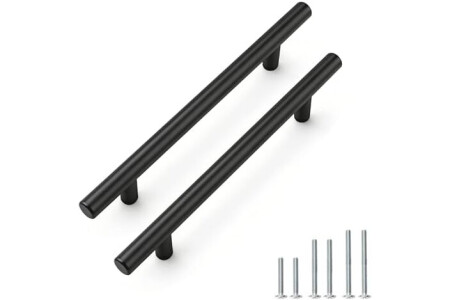
- þMEASUREMENTS︰Hole Centers:128mm;Overall Length:192mm;Height:32mm;Width:12mm;Please measure the size of your furniture before purchasing our long pulls to ensure a successful installation. - þMATERIAL︰Our kitchen cabinet pulls are made of solid 201 stainless steel with black spary-painted finished,hollow but very sturdy.Good waterproof function and corrosion resistance,there is no need to worry about bending and deforming. - þHANDLE ACCESSORIES︰We provide two types of screws for each handle:M4*1inch(25mm)fit for board thickness ranged 0.6-1.18inch(15-30mm).M4*1.77inch(45mm)fit for board thickness ranged (1.38-1.77inch)35-40mm. - þSTYLISH DESIGN:Our furniture pull handles have a modern appearance and the surface is smooth. Best for the most cabinets,cupboard, wardrobe, wine cabinet, locker, drawer, wooden case.Replace new handles, make your room more warm and bright! - þINTIMATE SERVICE︰We are very confident in our pulls.If you have any problems, please feel free to contact us,we will reply all message within 24 hours and slove your prolems at the first time.
Size Name: Hole Centre 128mm Colour Name: 15 Pack
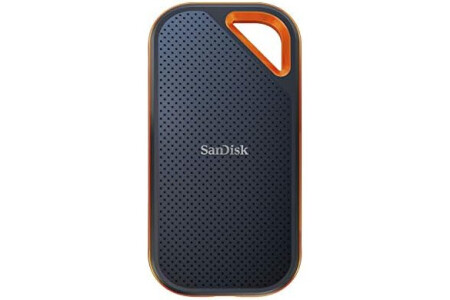
- Save time storing and transferring data with powerful NVMe solid state performance featuring 2000MB/s read and 2000MB/s write speeds - A forged aluminum chassis acts as a heatsink to deliver higher sustained speeds in a portable drive that’s tough enough to take on any adventure - Travel worry-free with a 5-year limited warranty and a forged aluminum chassis-silicon shell combo that offers a premium feel and added protection - Up to three-meter drop protection and IP65 water and dust resistance, and a handy carabiner loop for securing your drive all deliver extra peace of mind when you’re out in the world - Help keep private content private with the included password protection featuring 256‐bit AES hardware encryption (Password protection uses 128-bit AES encryption and is supported by Windows 8, Windows 10 and macOS v10.9+ (Software download required for Mac, see official SanDisk website)
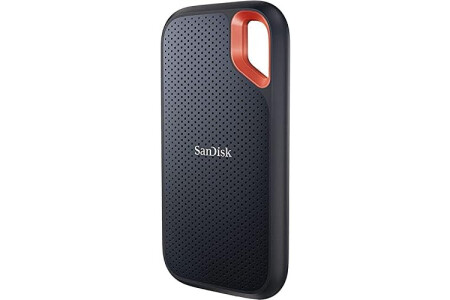
- POWERFUL YET PORTABLE: Get NVMe solid state performance featuring up to 1050MB/s read and up to 1000MB/s write speeds in a portable, high-capacity drive that’s perfect for creating amazing content or capturing incredible footage - DROP PROTECTION: Up to three-meter drop protection and IP65 water and dust resistance mean this tough drive can take a beating - TAKE IT WITH YOU, TRAVEL WORRY FREE: A durable silicone shell that offers a premium feel and added protection to the drive’s exterior. - CARABINER LOOP: Use the handy Carabiner loop to secure it to your belt loop or backpack for extra peace of mind - KEEP CONTENT PRIVATE: Help keep private content private with the included password protection featuring 256‐bit AES hardware encryption. Password protection uses 256-bit AES encryption and is supported by Windows 8, Windows 10 and macOS v10.9+
Memory Storage Capacity: 500.0 GB
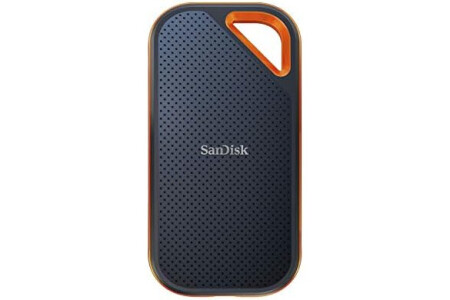
- Save time storing and transferring data with powerful NVMe solid state performance featuring 2000MB/s read and 2000MB/s write speeds - A forged aluminum chassis acts as a heatsink to deliver higher sustained speeds in a portable drive that’s tough enough to take on any adventure - Travel worry-free with a 5-year limited warranty and a forged aluminum chassis-silicon shell combo that offers a premium feel and added protection - Up to three-meter drop protection and IP65 water and dust resistance, and a handy carabiner loop for securing your drive all deliver extra peace of mind when you’re out in the world - Help keep private content private with the included password protection featuring 256‐bit AES hardware encryption (Password protection uses 128-bit AES encryption and is supported by Windows 8, Windows 10 and macOS v10.9+ (Software download required for Mac, see official SanDisk website)
Colour: Black Capacity: 4TB Style Name: 2.000MB/s
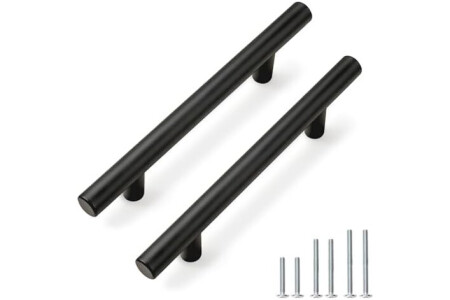
- GREAT DIY HARDWARE - T Series kitchen door handles apply t shape modern design. It owns kinds of size for your choice. Best for the cabinet doors, cupboard doors, bedside table drawers and more kinds of wooden furnitures. - ACCURATE SIZE BAR HANDLE - Full length: 150 mm; Height: 32 mm; Width: 12 mm. Hole spacing: 90 mm. Handles, Screws. - HIGH QUALITY MATERIAL - Made of solid 201 stainless steel and fashion black spary-painted finished. With the characteristics of acid and alkali resistance, high density, ensure the handle durable and non rust. - EASY INSTALLATION AND REPLACE - Measure the actual hole centre to make sure the successful installation (It might have 1-2 mm error). Mark the mounting position on your cupboard door/drawer according to the actual hole centre and drill the mounting holes. Install screws from inside and fix the handle. - 100% SATISFACTION GUARANTEE - We are confident in our products. If you found any problem, please feel free to contact us, we will do our best to help you.
Colour Name: 20 Pack Size Name: Hole Centre 90mm
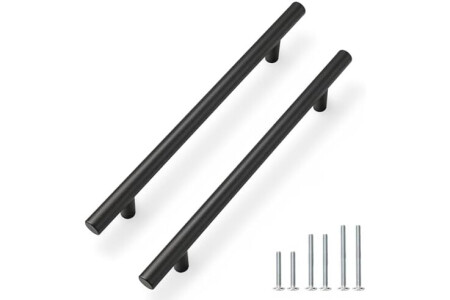
- 😄MEASUREMENTS:Hole Centers:160mm,Overall Length:224mm,Height:32mm,Width:12mm,Please measure the size of your furniture before purchasing our long pulls to ensure a successful installation. - 😄MATERIAL:Our kitchen cabinet pulls are made of 201 stainless steel with black finished,hollow but very sturdy.Good waterproof function and corrosion resistance,there is no need to worry about bending and deforming. - 😄HANDLE ACCESSORIES:We provide two types of screws for each handle:M4*1inch(25mm)fit for board thickness ranged 0.6-1.18inch(15-30mm).M4*1.77inch(45mm)fit for board thickness ranged (1.38-1.77inch)35-40mm. - 😄STYLISH DESIGN:Our furniture pull handles have a modern appearance and the surface is smooth. Best for the most cabinets,cupboard, wardrobe, wine cabinet, locker, drawer, wooden case.Replace new handles, make your room more warm and bright! - 😄INTIMATE SERVICE:We are very confident in our pulls.If you have any problems, please feel free to contact us,we will reply all message within 24 hours and slove your prolems at the first time.
Size Name: Hole Centre-160mm Colour Name: Black
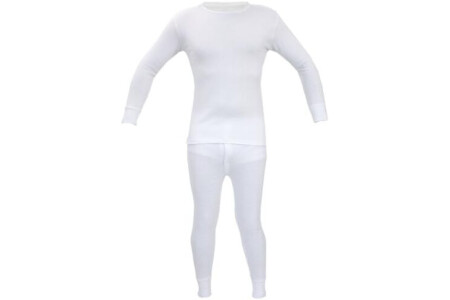
No description available.
Size Name: 2-3 Years Colour Name: White
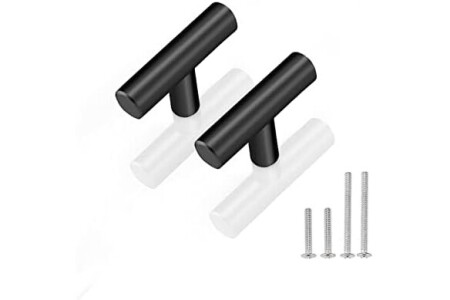
- þMEASUREMENTS︰Hole Centers:single hole;Overall Length:50mm;Height:32mm;Width:12mm;Please measure the size of your furniture before purchasing our long pulls to ensure a successful installation. - þMATERIAL︰Our kitchen cabinet pulls are made of solid 201 stainless steel with black spary-painted finished,hollow but very sturdy.Good waterproof function and corrosion resistance,there is no need to worry about bending and deforming. - þHANDLE ACCESSORIES︰We provide two types of screws for each handle:M4*1inch(25mm)fit for board thickness ranged 0.6-1.18inch(15-30mm).M4*1.77inch(45mm)fit for board thickness ranged (1.38-1.77inch)35-40mm. - þSTYLISH DESIGN:Our furniture pull handles have a modern appearance and the surface is smooth. Best for the most cabinets,cupboard, wardrobe, wine cabinet, locker, drawer, wooden case.Replace new handles, make your room more warm and bright! - þINTIMATE SERVICE︰We are very confident in our pulls.If you have any problems, please feel free to contact us,we will reply all message within 24 hours and slove your prolems at the first time.
Size Name: Single Hole Colour Name: 15 Pack
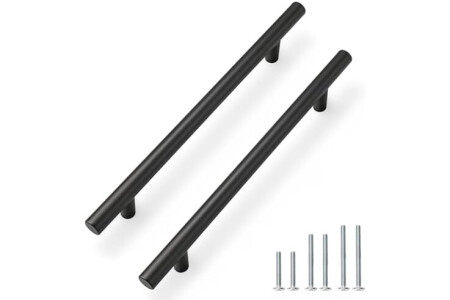
- 😄MEASUREMENTS:Hole Centers:160mm,Overall Length:224mm,Height:32mm,Width:12mm,Please measure the size of your furniture before purchasing our long pulls to ensure a successful installation. - 😄MATERIAL:Our kitchen cabinet pulls are made of 201 stainless steel with black finished,hollow but very sturdy.Good waterproof function and corrosion resistance,there is no need to worry about bending and deforming. - 😄HANDLE ACCESSORIES:We provide two types of screws for each handle:M4*1inch(25mm)fit for board thickness ranged 0.6-1.18inch(15-30mm).M4*1.77inch(45mm)fit for board thickness ranged (1.38-1.77inch)35-40mm. - 😄STYLISH DESIGN:Our furniture pull handles have a modern appearance and the surface is smooth. Best for the most cabinets,cupboard, wardrobe, wine cabinet, locker, drawer, wooden case.Replace new handles, make your room more warm and bright! - 😄INTIMATE SERVICE:We are very confident in our pulls.If you have any problems, please feel free to contact us,we will reply all message within 24 hours and slove your prolems at the first time.
Colour Name: 25 Pack Size Name: Hole Centre 160mm
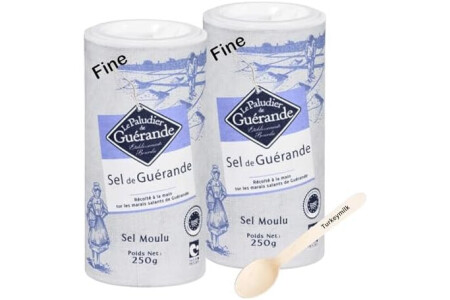
- Celtic Sea Salt La Paludier Sel de Guerande Salt Shakers of 250g Each Pack of 2 Bundle 2 x 250g fine shaker
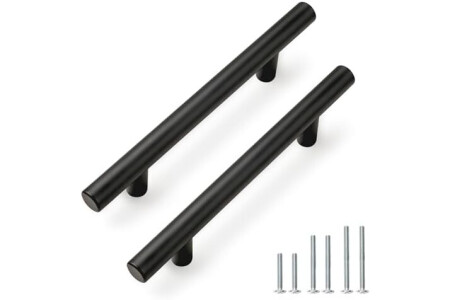
- 😄MEASUREMENTS:Hole Centers:96mm,Overall Length:150mm,Height:32mm,Width:12mm,Please measure the size of your furniture before purchasing our long pulls to ensure a successful installation. - 😄MATERIAL:Our kitchen cabinet pulls are made of 201 stainless steel with black finished,hollow but very sturdy.Good waterproof function and corrosion resistance,there is no need to worry about bending and deforming. - 😄HANDLE ACCESSORIES:We provide two types of screws for each handle:M4*1inch(25mm)fit for board thickness ranged 0.6-1.18inch(15-30mm).M4*1.77inch(45mm)fit for board thickness ranged (1.38-1.77inch)35-40mm. - 😄STYLISH DESIGN:Our furniture pull handles have a modern appearance and the surface is smooth. Best for the most cabinets,cupboard, wardrobe, wine cabinet, locker, drawer, wooden case.Replace new handles, make your room more warm and bright! - 😄INTIMATE SERVICE:We are very confident in our pulls.If you have any problems, please feel free to contact us,we will reply all message within 24 hours and slove your prolems at the first time.
Size Name: Hole Centre 96mm Colour Name: 15 Pack

There are products from different external stores in your basket, so a wish for each external store will be created.
Note: You will be able to configure each wish individually before publishing it.

 Spanish
(Español)
Spanish
(Español)
 German
(Deutsche)
German
(Deutsche)
 French
(Français)
French
(Français)
 Italian
(Italiano)
Italian
(Italiano)
 Portuguese
(Portugues)
Portuguese
(Portugues)