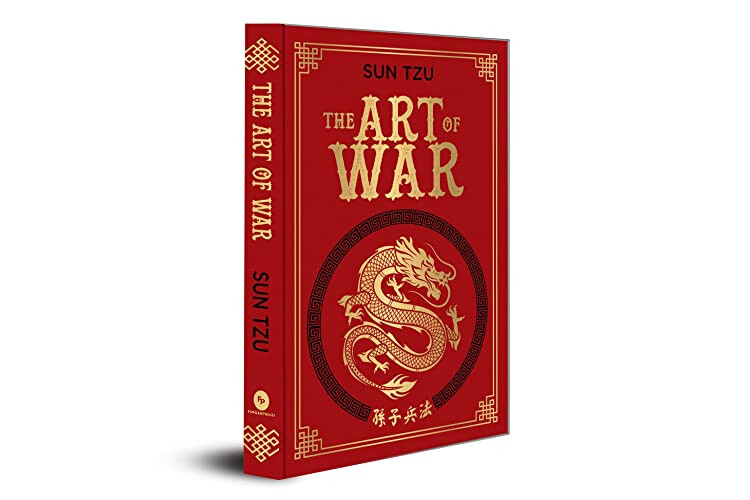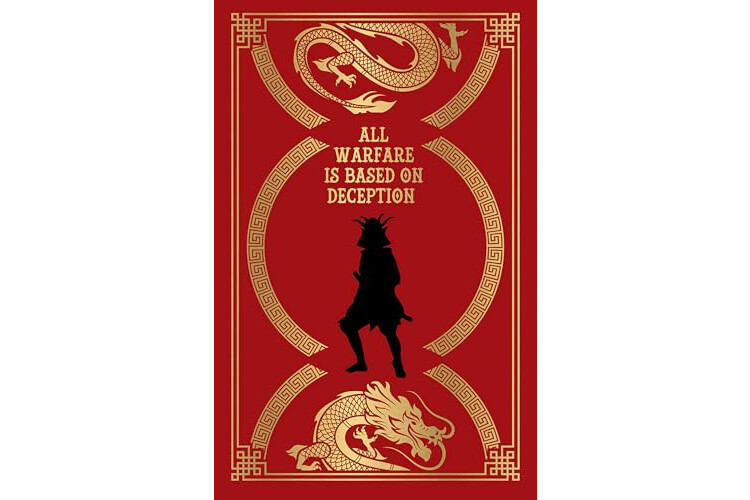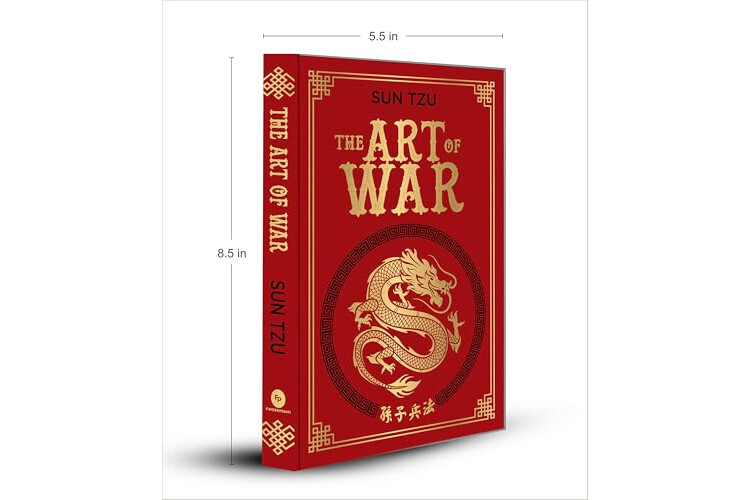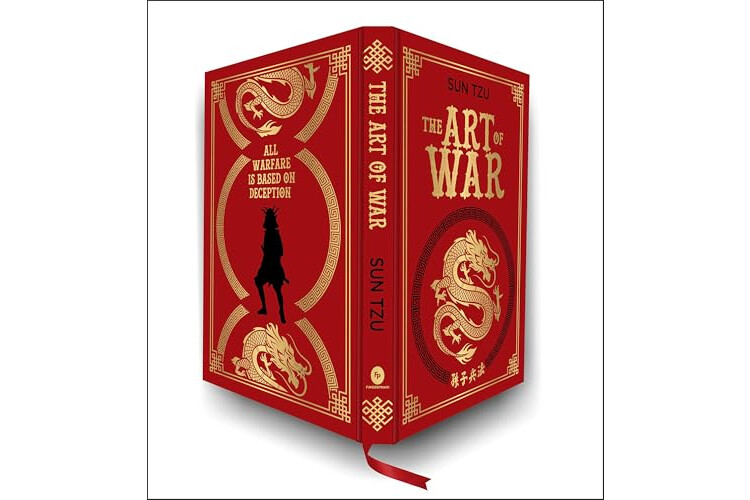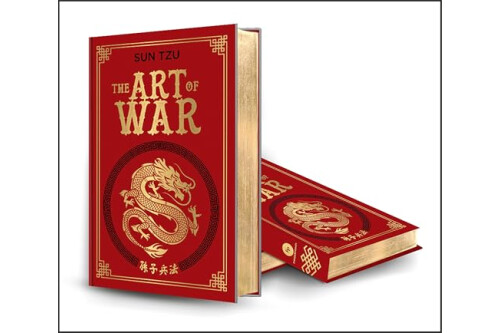

The Art of War by Sun Tzu is one of the most influential works ever written on strategy, leadership, warfare, and decision-making. Composed in ancient China, this timeless classic presents concise principles for understanding conflict, evaluating opponents, planning effectively, and achieving objectives through intelligence, preparation, and disciplined action.
Rather than focusing only on battlefield tactics, The Art of War explores how careful observation, adaptability, timing, deception, and strategic thinking can determine success before conflict begins. Sun Tzu emphasizes the importance of knowing both yourself and your opponent, choosing battles wisely, using resources efficiently, and seeking victory with the least unnecessary struggle.
Its teachings extend far beyond military history, making the book highly relevant to business strategy, leadership, negotiation, competitive strategy, conflict resolution, and personal development. Through direct and memorable insights, Sun Tzu encourages readers to replace impulsive action with foresight, understand changing circumstances, and use intelligence and positioning to gain an advantage.
Concise, practical, and deeply thought-provoking, The Art of War remains an enduring strategy and leadership classic for executives, entrepreneurs, students, military history readers, and anyone interested in strategic thinking. Its lessons on planning, adaptability, discipline, influence, competition, and self-knowledge continue to shape approaches to leadership and decision-making across the modern world.
Why should readers pick this book?
* A Timeless Strategy Classic: Discover Sun Tzu's influential principles on planning, leadership, competition, warfare, and achieving success through intelligent strategy.
* Lessons Beyond the Battlefield: Apply enduring ideas about negotiation, decision-making, adaptability, timing, influence, and conflict resolution to business and everyday challenges.
* Essential Reading for Strategic Thinkers: Ideal for leaders, entrepreneurs, professionals, students, military history enthusiasts, and readers interested in personal development and competitive strategy.
Key Themes
* Strategy & Planning: Learn how preparation, careful analysis, positioning, and foresight can create advantages before action is taken.
* Adaptability & Deception: Explore the importance of responding to changing conditions, understanding perception, and keeping opponents uncertain.
* Leadership & Self-Knowledge: Examine discipline, judgment, confidence, and the value of understanding both your own strengths and those of your opponent.

There are products from different external stores in your basket, so a wish for each external store will be created.
Note: You will be able to configure each wish individually before publishing it.

 Spanish
(Español)
Spanish
(Español)
 German
(Deutsche)
German
(Deutsche)
 French
(Français)
French
(Français)
 Italian
(Italiano)
Italian
(Italiano)
 Portuguese
(Portugues)
Portuguese
(Portugues)