

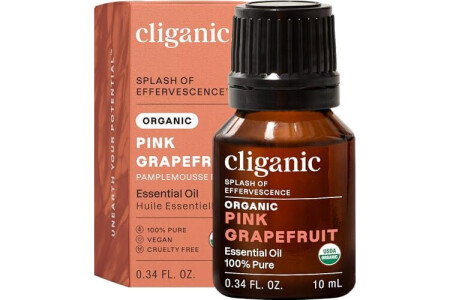
- Certified Organic Pink Grapefruit Oil - Cliganic organic essential oils are proudly USDA organic certified to ensure ultimate quality and integrity. - 100% Pure, Single Ingredient Oil - Cliganic organic essential oils are a single-ingredient product. No synthetic additives, ever. - Multipurpose Essential Oil – Cliganic essential oils are suitable for aromatherapy diffuser and have many other great uses and benefits. - 3rd Party Tested for Purity - Each batch is being tested for purity by a 3rd Party Independent Lab. - Non-GMO Certified, Vegan & Cruelty-Free - Free from additives, Cliganic aromatherapy oils are proudly non-gmo project verified, certified vegan and cruelty-free.
Scent: Pink Grapefruit
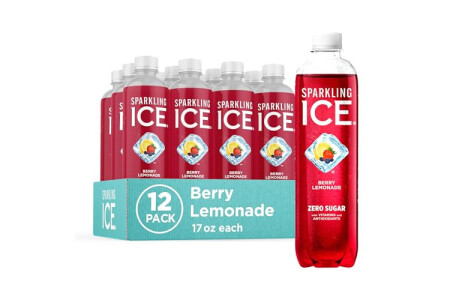
- ZERO SUGAR Pretty sweet, right. Sparkling Ice Berry Lemonade brings on all the taste you’ve been missing, while making the sugar go missing, too - FLAVOR YOU CAN TASTE This isn’t one of those hint-of-flavor sparkling waters. This is major flavor that will fruit up your taste buds - VITAMINS and ANTIOXIDANTS Even when your favorite flavor changes, you’ll still be drinking a Sparkling Ice with vitamins B6, B12, and E. Turns out having zero sugar means you’ve got room for better things - LOW CALORIE You can count how many calories there are on just one hand. Hint... it’s 5 - 12 BOTTLES So you can say your favorite flavor 12 times over with each multi-pack. The sparkle don’t stop, with 17 fl. oz. in each bottle - FLAVOR FOREVER The end of your flavor journey is inevitable. But the quenching memories last forever because your favorite flavor comes in a recyclable bottle
Flavor Name: Berry Lemonade
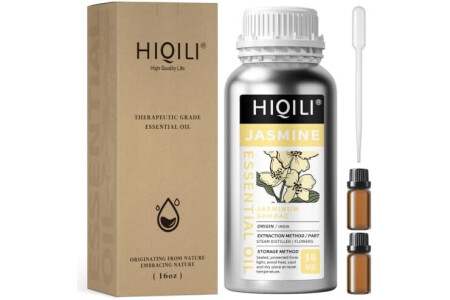
- Ingredients and Aroma: Our raw material comes from Indonesia. Jasmine essential oil is not a strong perfume, but rather a light, fresh aroma with a light aftertaste - Multi-Purpose: Jasmine essential oil is a versatile that can be used not only for aromatherapy and relaxation with its light scent, but also to care for the skin on the body - DIY: Add jasmine essential oil to diffusers, perfumes, scents, lotions, laundry detergents, candles, massage oils, humidifiers, sprays, cleansers, creams, bath salts - Multiple Usage Scenarios: Add 1-2 drops of Jasmine essential oil to the washing machine to wash clothes,can effectively disperse unpleasant odors,enhance the sense of freshness commonly used in home cleaning,kitchen,Garden,toilet,aromatherapy,outdoor space,office,bedroom - Body Massage: Dilute 1 drop of Jasmine essential oil with 10 to 20 drops of a carrier oil(Sweet Almond, Grapeseed or Jojoba). Take an appropriate amount of the blended oil on your palm and apply the oil in a circular motion on the body parts that need to be massaged,which can relax the body and mind and relieve stress - Safer: The Jasmine oil we make is steam distilled from the fragrant leaves of wild Indonesia trees and tested for composition by GC/MS,MSDS,COA,IFRA,etc - Multiple Essential Oil Blends: Jasmine essential oil can be blended with Lavender essential oil for a gentle aroma that can help relieve tension, relax the mind and body, and create a comfortable environment. It can also be blended with rosemary, eucalyptus, cinnamon, sage, clove, geranium, myrrh and nutmeg - Product Details: Comes with two 10ml UV protected bottles and droppers, easy to carry and share with friends. Bottles are double sealed to prevent leakage during transportation - Precautions: understand the efficacy of essential oils before use,according to the recommended amount of use,diluted use, stored in a cool,dry place,pregnant women,skin irritation before the use of professional advice,follow the above precautions,you will be able to safely and effectively enjoy the benefits of essential oils - About HIQILI: We work with farmers in more than 30 countries around the world on sustainable development,by providing highly cost-effective plant essential oils to meet today's consumer needs
Scent: Jasmine Size: 16 Fl Oz (Pack of 1)
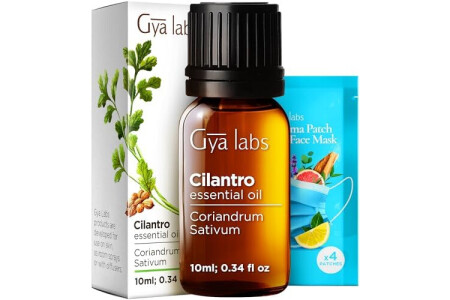
- Cilantro Oil For Diffuser: During morning hours, add 3 drops to water in your living space diffuser to experience a crisp, vibrant green herbal aroma that enlivens and refreshes room spaces. - Cilantro Oil For Candle Making: For artisanal green candles, mix 6 drops into melted soy wax after cooling slightly to experience a clean, refreshing grassy throw that suits bright kitchens. - Cilantro Oil For Skin Care: For daily body care, mix 2 drops with 1 tablespoon of rice bran oil across arms and legs to experience soft, refreshed skin with a clean, uplifting botanical note. - Cilantro Oil For Room Refresh: For a quick household refresh, mix 8 drops with water in a fine spray bottle to mist entryway curtains, experiencing an invigorating, clean green plant fragrance. - Steam Distilled Cilantro Leaves: Distilled exclusively from fresh green cilantro leaves to preserve its crisp, pungent herbal vibrancy distinct from the sweet aroma of coriander seed. - Storage And Safe Handling: Store cap tight in a cool, dark cupboard, away from direct sunlight and heat. Always combine with a carrier oil before applying to skin, and avoid use on pets, children, or during pregnancy.
Scent: Cilantro Size: 0.34 Fl Oz (Pack of 1)
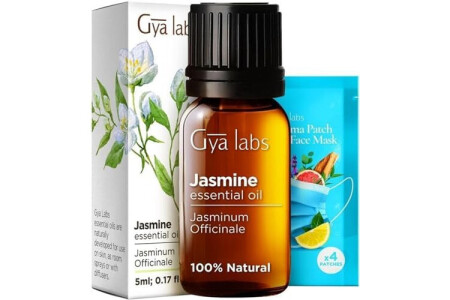
- Jasmine Essential Oil For Aromatherapy and Candle Making Scent. Create a serene ambiance with jasmine oil in diffusers. Blend jasmine essential oil for diffuser with lavender oil to create a floral, herbaceous aroma that calms and uplifts any space. - Nourish Your Skin. Jasmine essential oil for skin is also known for its skin-loving properties. To make a jasmine-infused moisturizer add a few drops to your moisturizer or face cream and apply it to clean skin. - Versatile in DIY Recipes and Candle Making Scent. Add jasmine oil to crafts like candles and perfumes. For candle making, add 6-8 drops to a lighted candle to diffuse its aroma or create a floral body spray with jasmine oil water and carrier oil. - Elevate Your Hair Care Routine. Add a touch of luxury to your hair care with jasmine oil for hair. Dilute a few drops with a carrier oil and apply from the mid-lengths to the tips of your hair. Comb to finish. - Tested for Safety and Quality. Gya Labs Jasmine Essential Oil has been tested by GC/MS MSDS COA and other methods to ensure safety and quality. Do not use on pets and during pregnancy. - Safely Packaged. Gya Labs essential oils are carefully bottled and packaged to ensure quality and potency. Each oil undergoes quality testing before it is ready for you to enjoy. - Trusted Aromatherapy Brand. Gya Labs Jasmine Essential Oil is derived from the finest Indian jasmine flowers, resulting in a sweetly floral and exotic scent that is well-used in aromatherapy.
Scent: Jasmine Size: 0.17 Fl Oz (Pack of 1)

This New York Times bestseller and business classic has been fully updated for a world where skilled communication is more important than ever. The book that revolutionized business communications has been updated for today’s workplace. Crucial Conversations provides powerful skills to ensure every conversation―especially difficult ones―leads to the results you want. Written in an engaging and witty style, it teaches readers how to be persuasive rather than abrasive, how to get back to productive dialogue when others blow up or clam up, and it offers powerful skills for mastering high-stakes conversations, regardless of the topic or person. This new edition addresses issues that have arisen in recent years. You’ll learn how to: * Respond when someone initiates aCrucial Conversationwith you * Identify and address the lag time between identifying a problem and discussing it * Communicate more effectively across digital mediums When stakes are high, opinions vary, and emotions run strong, you have three choices: Avoid a crucial conversation and suffer the consequences; handle the conversation poorly and suffer the consequences; or apply the lessons and strategies of Crucial Conversations and improve relationships and results. Whether they take place at work or at home, with your coworkers or your spouse, Crucial Conversations have a profound impact on your career, your happiness, and your future. With the skills you learn in this book, you'll never have to worry about the outcome of a Crucial Conversation again.

What distinguishes the truly exceptional from the merely great? After five years of writing The Profile, Polina Marinova Pompliano has studied thousands of the most successful and interesting people in the world and examined how they reason their way through problems, unleash their creativity, and perform under extreme pressure. The highest performers don’t use tricks or hacks to achieve greatness. They use mental frameworks that fundamentally change the way they see the world. They’ve learned how to unlock their hidden genius in order to reach their full potential. This book will help you do the same. After learning from the world’s most successful people featured inside, you will have a mental toolkit to help you tackle thorny problems, navigate relationships, and use creativity and resilience in times of uncertainty.

- Foundational Elements for Wellness: Magnesium Hydroxide powder, one of our magnesium supplements, are the cornerstones of health, playing critical roles in various bodily functions to your overall health & well-being. Ensure your body has the right building blocks for vitality. - Designed for Optimal Health: Elevate your daily wellness routine with our Magnesium Hydroxide powder, or Food Grade Magnesium Hydroxide powder. These are not just supplements; Magnesium Hydroxide is a daily investment in your wellbeing, meticulously formulated to ensure your body receives the perfect balance of essential minerals for optimal health. - Convenient Powder Form for Easy Integration: Say goodbye to cumbersome pill regimes! Our Magnesium Hydroxide supplement, with 410 mg of magnesium per seving, comes in a versatile powder form, making it incredibly easy to integrate into any lifestyle. Just add it to your morning smoothie, juice or plain water can elevate your daily nutritional intake without any hassle. - Transparent and Trustworthy: Experience the confidence that comes with choosing a supplement that not only meets rigorous third-party testing but also upholds the principles of clarity and integrity in its formulation and production. - Commitment to Quality: All of our products are crafted in a facility that adheres to rigorous cGMP standards, ensuring the highest level of quality and safety. This dedication guarantees a consistent and reliable supplement you can trust to support your health and wellness routine.
Size: 17.6 Ounce (Pack of 1)

- Welcome to the Cutting-Edge of Performance: Push the limits of your system like never before with DDR5 memory, unlocking even faster frequencies, greater capacities, and better performance. - Do it All, and Do it Faster: As modern CPUs feature more and more cores, the unprecedented speed of DDR5 ensures your high-end CPU gets data quickly, enabling faster processing, rendering, and buffering than ever before. - Onboard Voltage Regulation: Makes for easier, finely-tuned, and more stable overclocking through CORSAIR iCUE software than ever. - Patented CORSAIR DHX Cooling: Keeps DDR5 temperatures down by cooling both the ICs and the ground plane of the PCB itself with its own dedicated heatspreader, ensuring high performance even under extreme loads. - Custom Intel XMP 3.0 Profiles: Customize and save your own XMP profiles via iCUE to tailor performance by app or task for greater efficiency.
Color: White

- Ultimate Shaver Replacement Blade: The Forte PRO 4 is compatible with all Pitbull, Palm, and Butterfly Kiss shavers; with innovative technology, this replacement blade offers a faster, closer shave - Premium Replacement Blade: Japanese stainless steel ensures a sharp, long-lasting blade for the best experience; the spring-loaded blades also minimize skin irritation - Wet & Dry Shaving Blade: Whether you prefer wet or dry shaving, this razor blade for men adapts to your routine; Skull Shaver's easy-to-remove blade system also simplifies cleaning - Mess-Free Shaving: The replacement head keeps hair clippings out of the transmission for a reliable shaver blade; it's also designed to capture hair shavings efficiently to reduce mess - Gold Standard in Shaving: With Skull Shaver, you'll have access to luxury-grade grooming tools that are long-lasting, efficient, and comfortable to use
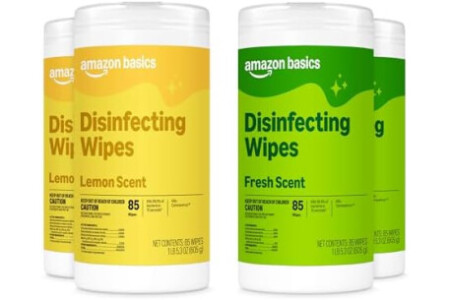
- SHIPMENT CONTAINS: Two 85-count canisters of Lemon Scent & two 85-count canisters of Fresh Scent for 340 disinfecting wipes in total. Canisters contain 20% post-consumer recycled plastic - EFFECTIVE DISINFECTION: Kills 99.9% of bacteria in 15 seconds, including cold & flu virus, E. coli, Salmonella, and the virus that causes COVID-19 - DURABLE DESIGN: Thick wipes for tough messes that won't tear easily during use, perfect for kitchen counters, bathroom surfaces, and high-touch areas - MULTI-SURFACE USE: Great for cleaning countertops, doorknobs, light switches, remotes, and other hard non-porous surfaces - CONVENIENT PACKAGING: Secure lid design helps maintain moisture and allows for easy dispensing of one wipe at a time - PACKAGING MAY VARY: Packaging may be different than what is shown but item and quality remain the same
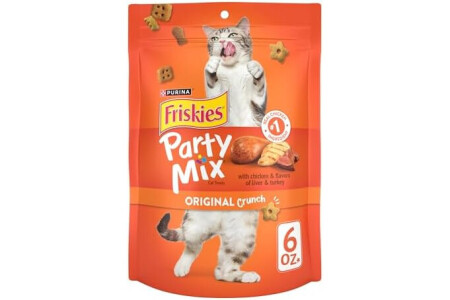
- Kitty treats for cats featuring real chicken as the number 1 ingredient with liver and turkey flavors - Friskies treats for cats offering a satisfying crunch in every bite that helps clean your cat's teeth - Friskies treats in playful shapes to add to the fun of snack time - Delicious taste cats love delivering under 2 calories per treat, making them ideal between-meal cat snacks - Purina Friskies Party Mix Original Crunch adult treats for cats are crafted in Purina-owned U.S. facilities and backed by Purina's more than 90 years of innovation

There are products from different external stores in your basket, so a wish for each external store will be created.
Note: You will be able to configure each wish individually before publishing it.

 Spanish
(Español)
Spanish
(Español)
 German
(Deutsche)
German
(Deutsche)
 French
(Français)
French
(Français)
 Italian
(Italiano)
Italian
(Italiano)
 Portuguese
(Portugues)
Portuguese
(Portugues)